Sixty-Two Hours Unsupervised: What Your Positions Do While the Market Sleeps
The trading week ends at 4:00 p.m. Eastern on Friday. Your risk, however, does not. For roughly sixty-two hours, every position you carry is exposed to a stream of events you cannot trade against: a missile strike in the Strait of Hormuz, a sovereign downgrade in Europe, a Sunday evening earnings pre-announcement, a central bank surprise from Tokyo. When the bell rings Monday morning, the market will reprice all of it in seconds — and it will do so without offering you a chance to respond.
Weekend risk is the most underpriced exposure on the books of most active traders, not because it is invisible, but because it is inconvenient to manage. This piece puts numbers on the problem and outlines the structures that disciplined desks use to contain it.
The Anatomy of the Gap
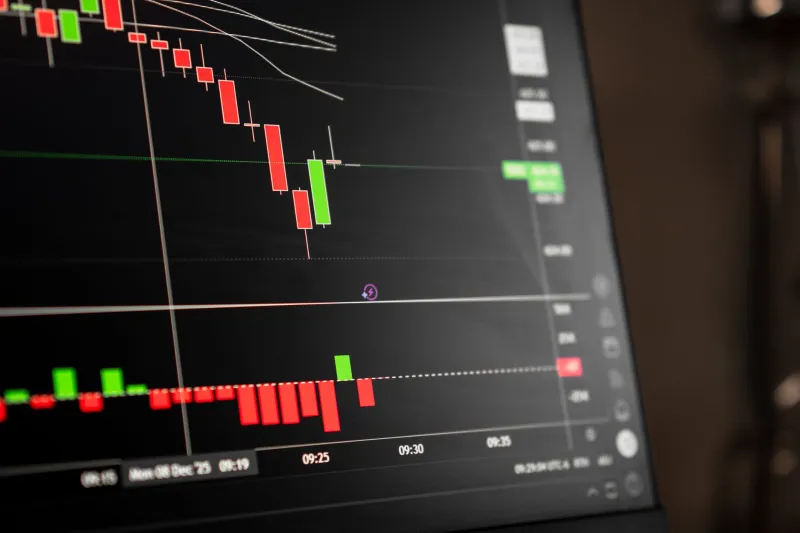
A gap is the difference between Friday's closing print and Monday's opening auction. It is the market's single opportunity each week to digest three days of accumulated news in one violent repricing. Unlike intraday volatility, a gap offers no path to an orderly exit — the price simply jumps, and your stop order, if you have one, fills at whatever level the opening auction delivers, not at the level you specified.
The frequency is higher than most traders assume. Across large-cap US equities, weekend gaps exceeding one percent occur in a meaningful minority of weeks, and the distribution is heavily skewed to the downside. Markets tend to drift up slowly and gape down sharply. The asymmetry is structural: bad news travels fastest when no one can trade it, and Monday's open is the first available pressure valve.
Small caps, single names with pending catalysts, and anything leveraged carry materially wider gap distributions than index products. A diversified ETF may gap half a percent on a geopolitical shock; a speculative biotech awaiting trial data can gap fifty percent in either direction. The question is never whether gaps happen — it is whether your book can survive the one that lands on you.
Why Friday Afternoon Is the Most Expensive Time to Be Confident
There is a recognizable behavioral pattern behind weekend exposure. Traders who are up on the week tend to protect their gains by closing nothing — the position that performed becomes the position that must not be disturbed. Traders who are down on the week hold on, reasoning that Monday offers a fresh chance at recovery. Both groups arrive at Friday's close carrying more risk than they would accept at any other time, and both do it for emotional rather than analytical reasons.
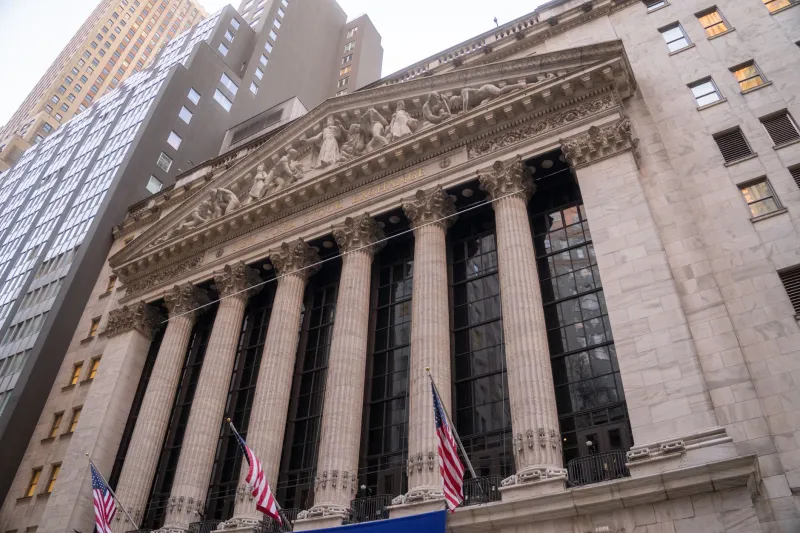
The macro overlay makes this worse. Major geopolitical developments — escalations, sanctions, election surprises — cluster on weekends precisely because markets are closed and the political calculus of announcement timing favors moments without immediate financial consequence. Central banks in Asia and Europe release decisions on schedules indifferent to New York's trading hours. By the time the NYSE opens, the repricing is not a process; it is a verdict.
Structures for the Trader Who Holds
Refusing to hold over the weekend is the cleanest solution, but it is not always the right one. Long-term positions cannot be churned every Friday without surrendering their edge to transaction costs and tax friction. For traders who legitimately carry exposure, three structures reduce the damage.
The hedged Friday exit. Rather than liquidating core positions, buy protection before the close — index puts or put spreads sized to the book's beta. The hedge costs a fraction of the potential gap damage and expires worthless most weeks. This is insurance, and like all insurance, it feels expensive right up until the weekend it does not.
The scaled close. Reduce position sizes in stages through Thursday and Friday, keeping only what you would be comfortable owning through a three percent adverse gap. The discipline is not in the reduction itself but in defining the residual exposure in advance, when you are calm, rather than at 3:55 p.m. on Friday when you are not.
The event calendar. Maintain a standing weekly audit of what can hit between Friday's close and Monday's open: earnings dates for every held name, scheduled economic releases, known geopolitical flashpoints, options expiration calendars. A position with a Monday-morning earnings report is not a weekend hold — it is an event bet, and it should be sized like one or closed like one.
Pricing the Risk Honestly
The right way to evaluate weekend exposure is expected value, not anecdote. Multiply the probability of a material gap by the average damage it would inflict on your book, then compare that figure to the cost of hedging or reducing. For most concentrated portfolios, the math favors action. For most traders, the reason they do not act is that the cost is visible every week while the loss arrives rarely — the same psychology that makes uninsured drivers.
The professional standard is simple: never carry into a weekend more risk than you have consciously chosen, priced, and prepared to defend. The market does not owe you an orderly open. Sixty-two hours of silence is part of the price of every position you hold — the only question is whether you have paid attention to what it costs.